

Tuesday 2nd September, 2025
Most days in Guatemala are filled with the joyful sounds of children at play. The mentoring centres are alive with laughter, games, and chatter. Visits to homes and schools often remind us why we do this work — to ensure children are safe, supported, and allowed to thrive.
But every so often, the sound of joy is pierced by something that shakes you to your core: the phone call you wish would never come.
That call came on Sunday from Yoni, one of the boys I have mentored since he was ten years old. Today, Yoni is twenty, the only one in his family to complete both primary and secondary school. A remarkable achievement, given that no one else in his family ever made it beyond the early grades.
His voice was heavy as he told me the news: “My brother Wilman is dead.”
Nothing prepares you for words like that. Nothing prepares a young man to bury his brother.
I have known Wilman since he was a child. He drifted in and out of our programmes, always on the edge of embracing help, but never quite able to hold on to it. We tried many times, offering opportunities and even inviting him into a rehabilitation programme. But the struggles he carried were relentless, and the streets always seemed to pull him back.
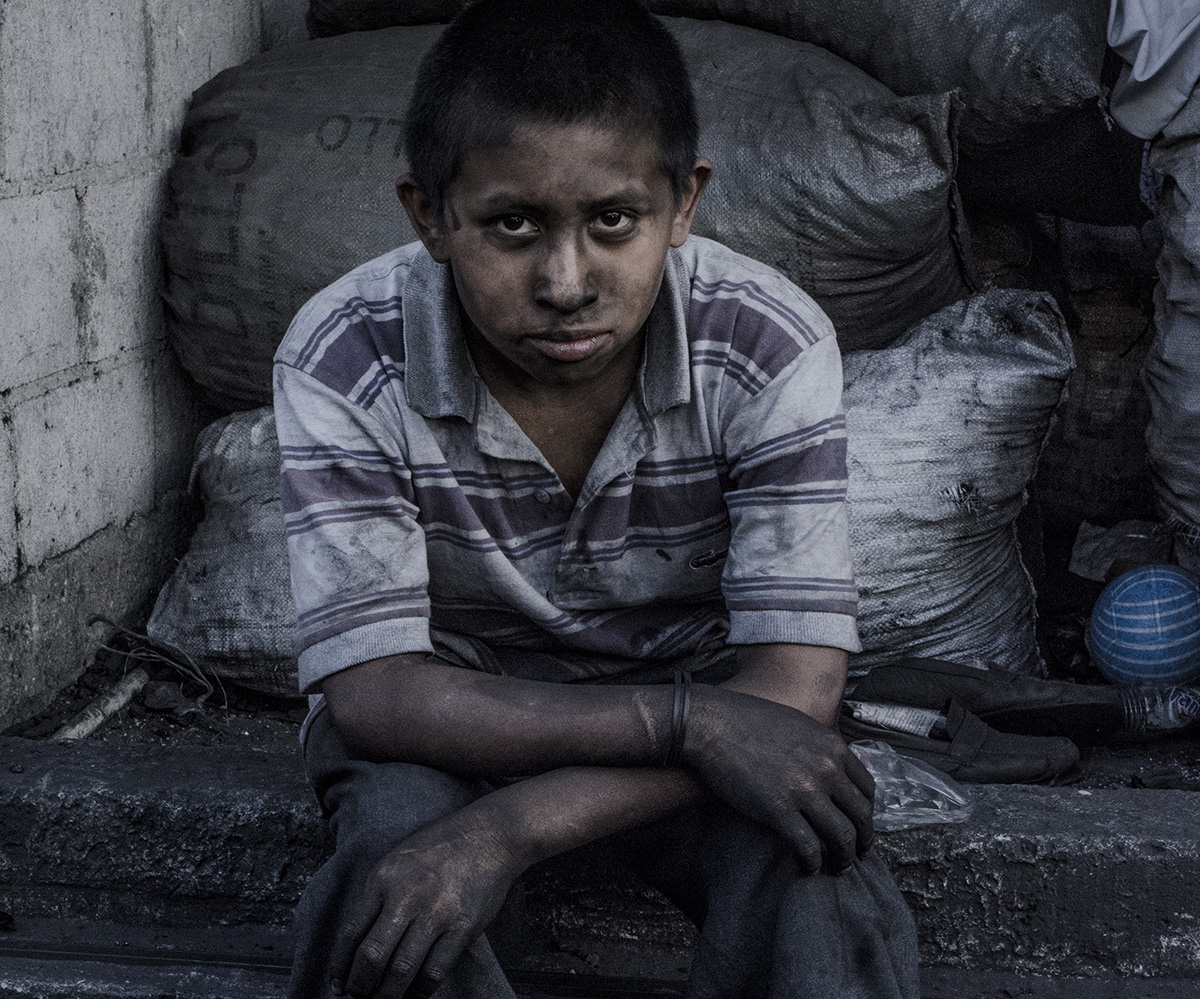
I will never forget the call I received when he was about fourteen years old. He had run away again and was surviving in La Terminal, one of Guatemala City’s harshest environments. We found him temporary accommodation, and he told us that he had found a job that paid very little, but would give him the independence he needed. When we visited, we discovered that he was working in a carbon factory, a job that scarred his lungs and prematurely aged him.
A friend once took a photograph (above) of Wilman in La Terminal. I have used it here. I could stare at it for hours, as I feel it captures both his strength and his deep desperation. Looking at it now, I see the silent cry of a young man battling with more than he could bear.
From that time onward, Wilman’s life spiralled. He made decisions that hurt him, fell into vices that numbed him, and carried pain that no young person should ever have to carry. It was heartbreaking to watch, knowing how much he longed for peace but how far away it always seemed.
In the early hours of Sunday morning, Wilman’s struggle came to a tragic end. A toxic mix of chemicals and alcohol overwhelmed his body. He died in the arms of his girlfriend as the ambulance tried to save him, as they rushed him into the hospital.
That same evening, I went to Santa Faz with Paula, our mentoring centre coordinator, to comfort Yoni and his mother. Yoni was broken with grief and regret, sobbing over his brother’s coffin. Soon after, members of the local gang arrived. Many had grown up with Wilman and came to pay their respects. Though he was never part of the gang, he was known. The atmosphere shifted; some gang members sat outside smoking weed, and Paula and I quietly made the difficult decision to leave, knowing we had to weigh the risks.
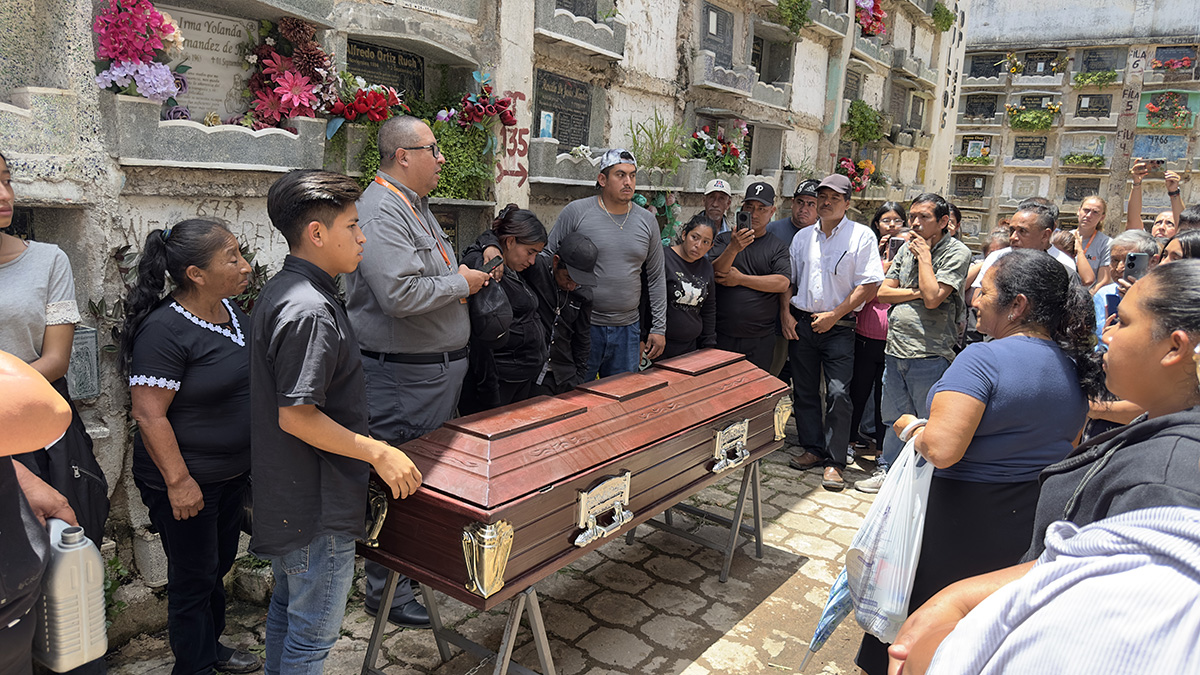
The next day at the cemetery, the sadness of watching Wilman’s coffin arrive was overwhelming. Yoni stood there, numb, his face etched with pain, but trying to stay strong for his mother. A bus had brought friends and family to the service, but the journey had been traumatic with arguments, loud, offensive music, and smoke filling the air. Instead of preparing for a final farewell, the family felt Wilman’s funeral had been hijacked by chaos.
We did our best to bring order to the graveside. Herbert, a member of the SKDGuatemala team, offered a brief service of dedication, urging those gathered to reflect on how Wilman’s death might prompt us to make better choices and to seek God’s will for our lives.
Saying goodbye to a young man we had walked with for so many years was heartbreaking. There is no easy way to write this, and no good news to share in the loss of Wilman. What remains is hope, hope that for those still with us, we can help them discover life in all its fullness.
The challenge in Santa Faz is enormous. With the rise in gang violence and constant death threats, the task feels humanly impossible. And yet, we continue to believe that with God’s help, every child can find a different path. Every life is worth fighting for.
(Thanks to Cesar López Balan for the article photo)
 Duncan Dyason is the founder and Director of Street Kids Direct and founder of TOYBOX, El Castillo, Guatemala and SKDGuatemala. He first started working with street children in 1992 when he moved to Guatemala City after watching the harrowing BBC documentary "They Shoot Children Don´t They?" His work has been honoured by Her Majesty the Queen, and he was awarded an MBE the year he celebrated working over 25 years to reduce the large population of children on the streets from 5,000 to zero. Duncan continues to live and work in Guatemala City.